Discover the majestic wilderness of Uttarakhand's premier elephant habitat — 820 sq km of untamed Shivalik beauty awaits.
About Rajaji National Park
Rajaji National Park is one of India's most ecologically significant national parks and tiger reserves, sprawling across 820 square kilometres in the Shivalik range of the western Himalayas. Straddling three districts — Haridwar, Dehradun, and Pauri Garhwal — in the state of Uttarakhand, the park represents the north-western limit of the tropical and subtropical moist broadleaf forest biome. It was officially declared a national park on 15 September 1983 by merging three existing wildlife sanctuaries — Rajaji Sanctuary, Motichur Sanctuary, and Chilla Sanctuary — into a single protected area. The park is named after C. Rajagopalachari, affectionately known as Rajaji, who was the last Governor-General of independent India and a stalwart of the Indian independence movement.
What sets Rajaji National Park apart from other Indian wildlife reserves is its extraordinary Asian elephant population. With over 500 wild Asian elephants roaming its sal forests, riverine habitats, and grasslands, Rajaji harbours one of the largest and most genetically viable elephant herds in all of India. The park forms a critical segment of the Shivalik Elephant Reserve, which serves as a vital corridor for elephant migration between the Shivalik foothills and the Terai grasslands. In 2015, the park was granted Tiger Reserve status, further elevating its conservation importance and bringing in additional resources for habitat protection and anti-poaching operations.
Beyond elephants and tigers, Rajaji is a biodiversity hotspot that supports Royal Bengal Tigers (50+), Indian leopards, Himalayan black bears, sloth bears, king cobras, and an astounding array of over 315 bird species — making it a paradise for ornithologists and wildlife photographers alike. The park's terrain transitions dramatically from the Ganges River floodplains in the south to rugged Shivalik ridges in the north, creating a mosaic of habitats including dense sal forests, scrub jungles, riverine woodlands, and alpine meadows. Whether you're an ardent wildlife enthusiast, a serious birdwatcher, or a family seeking an unforgettable nature experience, a safari in Rajaji promises encounters with the wild that remain etched in memory forever.
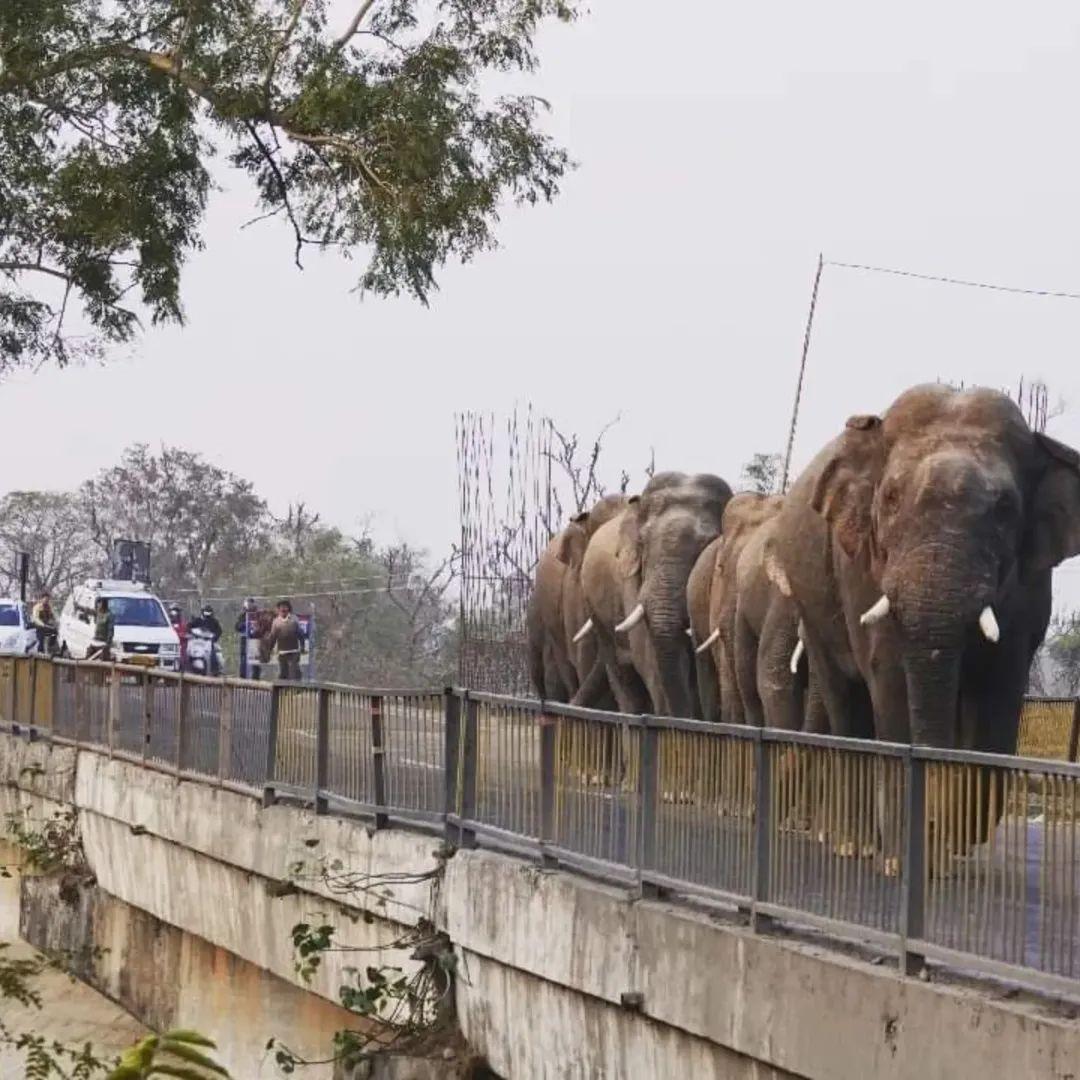
Wild Elephant Herd Crossing Bridge: Real photo of a wild Asian elephant family crossing over the canal bridge in Rajaji Chilla range.
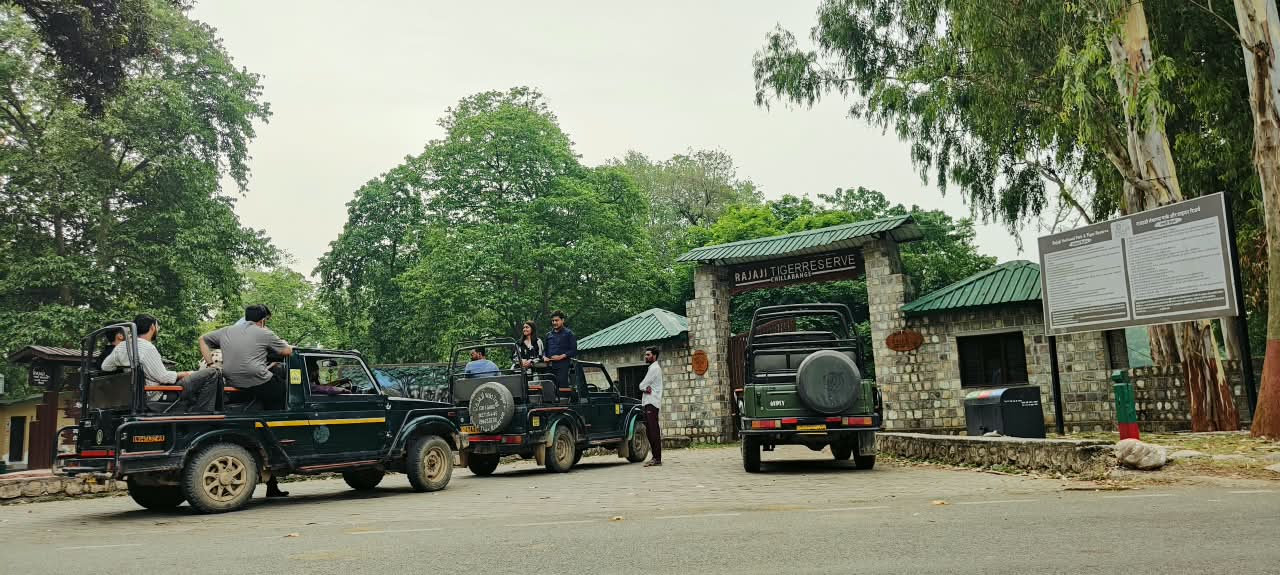
Chilla Gate Morning Safari Fleet: Our registered 4x4 Gypsies ready with guests for the morning wildlife tracking shift.
Rajaji National Park follows a strict three-phase seasonal timing structure approved by the Uttarakhand Forest Department to maximize wildlife safety and visitor sightings:
🕒 Safari Gypsy Entry Timing
👈 Swipe table to view all seasons 👉
Shift / Slot
15 Nov to 15 Feb (Winter)
16 Feb to 15 Apr (Spring)
16 Apr to 15 June (Summer)
Morning Safari Entry
6:30 AM to 8:00 AM
6:00 AM to 7:30 AM
5:30 AM to 7:00 AM
Evening Safari Entry
1:30 PM to 3:00 PM
2:00 PM to 3:30 PM
3:00 PM to 4:30 PM
🚪 Safari Gypsy Last Exit Timing
👈 Swipe table to view all seasons 👉
Shift / Slot
15 Nov to 15 Feb (Winter)
16 Feb to 15 Apr (Spring)
16 Apr to 15 June (Summer)
Morning Last Exit
10:30 AM
10:00 AM
9:30 AM
Evening Last Exit
5:30 PM
6:00 PM
7:00 PM
Authorized Forest Tariffs
Official Safari Ticket Price & Tariff Breakdown
Forest Department Entry Permits & Registered 4x4 Gypsy Charges
🇮🇳 Domestic Tourists
FOR INDIANS
🇮🇳
Particulars
Official Fee
Adults (Entry Permit)
₹500/-per person
Children (5–12 years)
₹150/-per child (Below 5 Free)
Road Tax / Entry Fee
₹250/-(One Gypsy)
Safari Gypsy Charges
₹3,000/-per vehicle (up to 6 persons)
Certified Guide Fee
₹1,000/-(Expert Nature Guide)
📌 Govt ID Mandatory: Children below 5 yrs enter complimentary. Valid government photo ID (Aadhaar, Voter ID, Passport) required for all Indian visitors.
📌 Passport & Visa Required: Valid international passport and visa copies are mandatory to obtain official Forest Department permits for foreign nationals.
*Additional costs: Forest department commercial camera permits (if carrying professional video/DSLR gear). Final gypsy rates vary based on gate distance and peak holiday dates.
All jungle safaris inside Rajaji National Park are governed by strict Uttarakhand Forest Department regulations and vehicle entry quotas. Here is what is included with every safari booking arranged by certified naturalists Jishan Rehman & Rehman:
📋 Complete Safari Inclusions
✅ Official Forest Permit: Mandatory gate entry clearance for all passengers.
✅ Registered 4x4 Gypsy: Forest department authorized open safari vehicle.
✅ Certified Naturalist Guide: Experienced local tracker for wildlife safety & spotting.
ℹ️ Expert Booking Tip: Safari permits are strictly regulated with quota limits for each gate (Chilla, Ranipur, Jhilmil Jhel, Chillawali Mohand, Vindhyawasini, Motichur). To guarantee your Gypsy and naturalist guide, booking in advance with Jishan Rehman & Rehman is recommended.
Official Safari Zones & Gates in Rajaji National Park
Rajaji National Park and its contiguous protected reserves feature 6 official safari gates and tourism zones. Each zone offers a distinct landscape, terrain, and specialized wildlife sightings. The zone you choose shapes your safari experience. Here is the complete official gate order:
1
Chilla Zone
The flagship and most renowned safari zone of Rajaji Tiger Reserve, located along the eastern bank of the holy Ganges near Haridwar and Rishikesh (entry via Chilla Dam, Yamkeshwar). Spanning 148 sq km with a 36 km scenic jungle track, Chilla is celebrated for frequent daylight sightings of wild Asian elephant herds, Royal Bengal tigers, leopards, and spotted deer grazing across open riverine grasslands. Proximity to the Ganges makes it a premier hotspot for waterbirds.
2
Ranipur Zone Haridwar
Situated directly on the southwestern edge of Haridwar near the Shivalik foothills and BHEL sector. Known for rugged mountain terrain, natural seasonal streams (raus), and dry deciduous forests. A prime territory for Indian leopards, sambar deer, barking deer (kakad), wild boars, and over 250 species of birds including the Crested Serpent Eagle and Great Indian Hornbill. Its quiet, lower-footfall trails offer undisturbed and peaceful game drives.
3
Jhilmil Jhel Zone
A world-renowned marshland wetland and conservation reserve located just 15 km from Haridwar near Tantwala and the Rawasan river corridor. Jhilmil Jhel is celebrated as the exclusive home of the majestic Swamp Deer (Barasingha) in Uttarakhand. Vast grasslands and freshwater bodies also host wild elephant herds, leopards, nilgai, otters, and flocks of winter migratory waterfowl.
4
Chillawali Mohand Zone
Positioned along the historic Shivalik pass highway connecting Dehradun and Saharanpur. Chillawali Mohand features towering sal tree canopies, deep jungle gorges, and natural elephant migratory tracks. Renowned for raw wilderness, this zone provides extraordinary opportunities to spot wild Asian elephants, leopards, sloth bears, striped hyenas, and Shivalik forest wildlife far from heavy tourist circuits.
5
Vindhyawasini Zone
Located along the sacred Vindhyawasini forest belt near the Rawasan river valley in the eastern Shivalik buffer. Characterized by scenic hill slopes, dense mixed scrub, and crystal-clear forest streams. An excellent habitat for leopards, goral (mountain goats) on rocky outcrops, elephant family groups, and raptors. Ideal for nature lovers and photographers seeking serene, untamed trails.
6
Motichur Zone
Situated on the western bank of the Ganges near Raiwala along the Haridwar–Rishikesh corridor. Characterized by dense ancient sal forests, narrow ravines, and crucial elephant migratory passages connecting Rajaji's western and eastern sectors. Highly favored for stealthy Indian leopard sightings, barking deer, wild boar, and tranquil jungle drives under deep green tree canopies.
Wildlife You Can Spot in Rajaji
Rajaji National Park's position at the confluence of the Indo-Gangetic plains and the Himalayan foothills creates an unusually rich intersection of habitats, supporting a remarkable diversity of mammals, reptiles, and birds. Here is real video footage and a comprehensive list of the key species you may encounter during your safari:
🎥 Live Sighting Video: Wild Elephant Herd Crossing Forest Path
Filmed on location by our safari team: Asian elephants traversing the forest track in Rajaji National Park.
🐘 Major Mammals
🐘
Asian Elephant (500+)
🐅
Royal Bengal Tiger (50+)
🐆
Indian Leopard
🐻
Himalayan Black Bear
🐻
Sloth Bear
🐗
Wild Boar
🦌
Sambhar Deer
🦌
Barking Deer
🦌
Spotted Deer (Chital)
🐐
Goral
🐍 Reptiles
🐍
King Cobra
🐍
Indian Python
🦎
Monitor Lizard
🐦 Notable Bird Species (315+ Recorded)
🦜
Great Indian Hornbill
🐦
Pied Kingfisher
🦅
Crested Serpent Eagle
🐦
Black-headed Jay
🐦
And 300+ more species
The best time for mammal sightings is during the early morning safari (6–9 AM) when animals are most active. Birdwatchers will find the winter months (November–February) particularly rewarding as migratory species from Central Asia augment the already impressive resident population.
How to Reach Rajaji National Park
Rajaji National Park enjoys excellent connectivity by road, rail, and air, making it one of the most accessible national parks in northern India. Its proximity to the pilgrimage city of Haridwar and the adventure capital of Rishikesh ensures well-maintained transport infrastructure year-round.
From Delhi (By Road)
220 km via NH58 Drive time: 5–6 hours Well-connected via Meerut–Muzaffarnagar–Roorkee route. Toll expressway reduces travel time.
Nearest Railway Station
Haridwar Junction Distance: 8 km from Chilla Gate Direct trains from Delhi, Mumbai, Kolkata, Lucknow, and all major cities.
Nearest Airport
Jolly Grant Airport, Dehradun Distance: 35 km Daily flights from Delhi, Mumbai, Bangalore, and Hyderabad.
From Rishikesh
18 km from Rishikesh city Drive time: 30–40 minutes Scenic riverside route via Shyampur Road.
We offer complimentary pickup from Haridwar Junction and Rishikesh for guests who book their safari through us. Our drivers are familiar with the park roads and ensure timely arrival at the safari gates.
Best Time to Visit Rajaji National Park
Rajaji National Park is open for safari from 15 November to 15 June each year. The park closes during the monsoon season (mid-June to mid-November) due to heavy rainfall, swollen rivers, and the breeding season of wildlife. Each season within the open window offers a distinctly different safari experience:
🌿 Winter Season (November – February)
The most comfortable time to visit, with pleasant daytime temperatures of 15–25°C. Dense morning mist in the sal forests creates a magical atmosphere. This is the peak season for birdwatching, as migratory species from Central Asia — including several species of flycatchers, thrushes, and raptors — arrive in large numbers. Elephant herds are frequently seen near grasslands and river beds. Wildlife sighting success rate is high due to reduced foliage.
☀️ Summer Season (March – June)
Temperatures can rise to 35–42°C, but this is arguably the best time for big cat sightings. As water sources shrink, tigers, leopards, and other mammals congregate near remaining waterholes and streams, dramatically increasing sighting probability. The deciduous trees shed their leaves, opening up the forest canopy and making it easier to spot wildlife. Morning safaris are particularly productive. Carry sun protection, stay hydrated, and wear light-colored clothing.
Pro Tip: For the best overall experience combining comfortable weather with good wildlife sighting chances, we recommend visiting during late February to mid-April or in November when the park first opens.
Safari Booking Rules & Guidelines
To ensure a safe, respectful, and enjoyable wildlife experience for all visitors, Rajaji National Park enforces a set of rules that every safari participant must follow. Violation of these rules can result in fines, expulsion from the park, or legal action under the Wildlife Protection Act:
Carry Valid ID Proof: All visitors must carry a government-issued photo ID (Aadhaar, Passport, Driving License, or Voter ID). Foreign nationals must carry their passport and valid Indian visa. ID details provided during booking must match the physical document.
No Loud Music or Honking: Maintain silence throughout the safari. Loud noises disturb wildlife behavior, disrupt animal communication, and reduce sighting chances for everyone in the park. Mobile phones must be kept on silent or vibrate mode.
No Plastic Inside the Park: Single-use plastics — including bottles, bags, and wrappers — are strictly prohibited inside Rajaji National Park. Carry reusable water bottles and eco-friendly containers. Any litter must be brought back out of the park.
Stay Inside the Vehicle at All Times: Under no circumstances should visitors exit the safari vehicle during the drive. Standing on seats, leaning out of the vehicle, or climbing onto the roof is strictly prohibited for your safety and to avoid disturbing wildlife.
Follow the Guide's Instructions: Your assigned naturalist guide is a trained forest professional. Follow all their instructions regarding movement, photography distance, and behavior around wildlife. They have authority to modify or terminate the safari if safety is compromised.
Frequently Asked Questions
Safari bookings include official Uttarakhand Forest Department gate permits, an exclusive 4x4 open safari Gypsy accommodating up to 6 passengers, a certified driver, road taxes, and an authorized naturalist guide like Jishan Rehman. Contact our team on WhatsApp or phone for current permit slot availability and instant confirmation.
The best time to visit Rajaji National Park is from November to June. The park remains closed during the monsoon season from July to October. The winter months (November–February) are ideal for birdwatching and elephant sightings, while summer (March–June) offers the best chance to spot tigers and other wildlife near water sources. For the optimal balance of weather and wildlife, visit between late February and mid-April.
Rajaji National Park is home to over 500 Asian elephants, 50+ Royal Bengal Tigers, Indian leopards, Himalayan black bears, sloth bears, wild boars, sambhar deer, barking deer, spotted deer, goral, king cobras, Indian pythons, and monitor lizards. Over 315 bird species have been recorded including the Great Indian Hornbill, Pied Kingfisher, Crested Serpent Eagle, and Black-headed Jay. The park is one of the best places in India to witness large elephant herds in their natural habitat.
Rajaji National Park's Chilla Gate is approximately 8 km from Haridwar city center and can be reached in 15–20 minutes by car or auto-rickshaw. The nearest railway station is Haridwar Junction (8 km), the nearest airport is Jolly Grant Airport in Dehradun (35 km), and from Delhi it is 220 km via NH58 (5–6 hours by road). From Rishikesh, the park is just 18 km away. We offer complimentary pickup from Haridwar Junction for our booked guests.
No, night safari is currently not available in Rajaji National Park. The park offers only day safaris in two shifts — morning safari from 6:00 AM to 9:00 AM and evening safari from 3:00 PM to 6:00 PM. All visitors must exit the park before sunset for safety reasons. The forest department periodically reviews its safari policies, so night safari may become available in the future. For the latest updates, contact us directly.
Rajaji National Park and contiguous reserves operate across 6 official safari zones and gates: 1) Chilla Zone (most popular along the Ganges, famous for elephant herds and tigers); 2) Ranipur Zone Haridwar (rugged Shivalik foothills near Haridwar BHEL, great for leopards and birds); 3) Jhilmil Jhel Zone (world-renowned wetland reserve, home to Swamp Deer / Barasingha); 4) Chillawali Mohand Zone (deep sal forest corridor along Mohand Pass); 5) Vindhyawasini Zone (untamed riverbed valley and eastern Shivalik buffer); and 6) Motichur Zone (ancient sal forests and vital elephant migratory corridor near Raiwala). We organize authorized Gypsy safaris and verified naturalist guides across all 6 gates.
Ready for an Unforgettable Safari?
Book your Rajaji National Park Jeep Safari with certified naturalist guides. Limited slots available for peak season — reserve your spot today!